STEDA Director Delivers Key Lecture on Public Education Policies and Implementation at Tanzeem Asatiza Pakistan’s Sindh Training Camp
By Qurban Ali Khushik
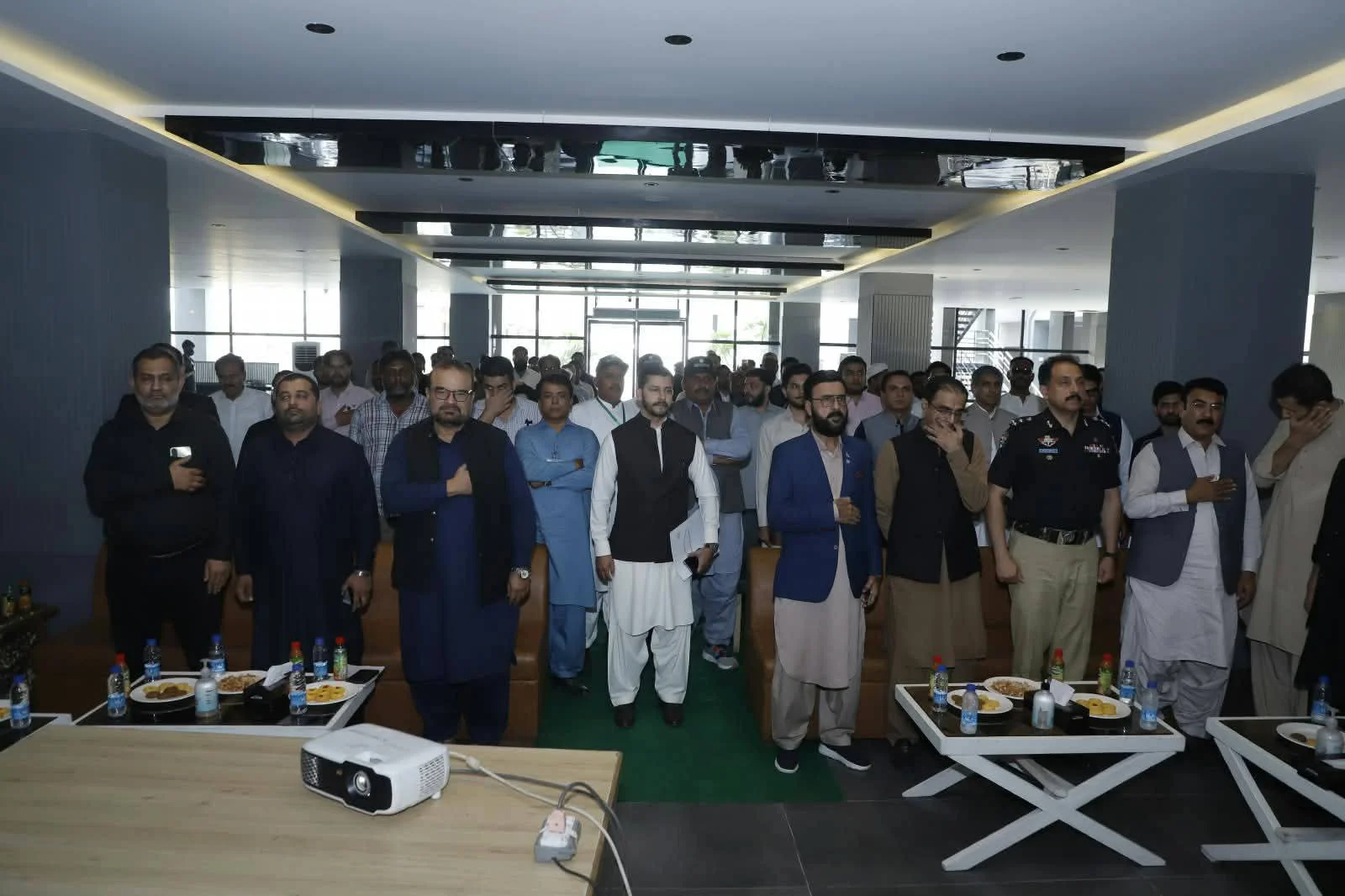
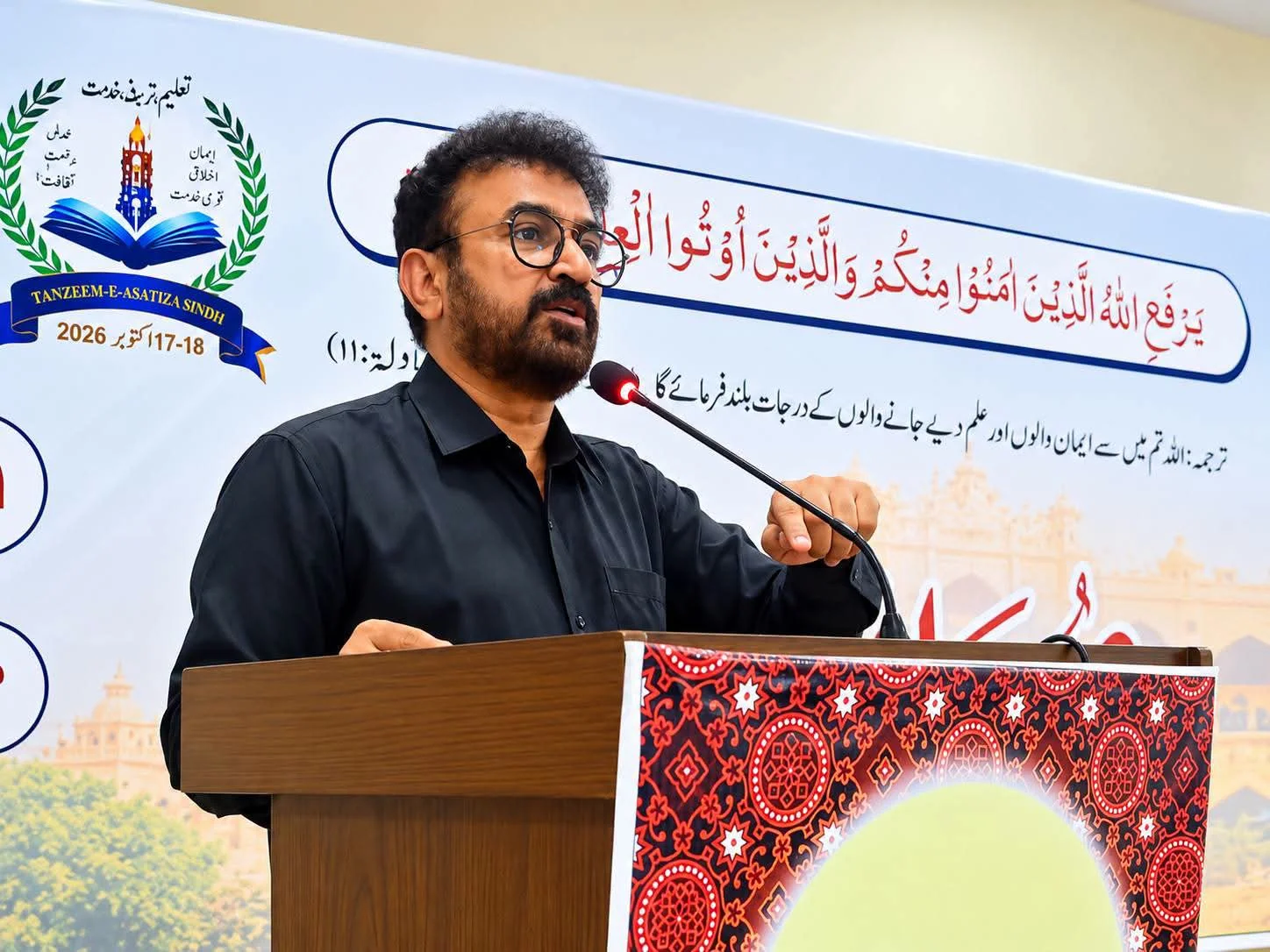
HYDERABAD: Zain-ul-Abideen Laghari, Director of the Sindh Teacher Education Development Authority (STEDA), School Education and Literacy Department, Government of Sindh, delivered a comprehensive lecture on “Public Education Policies and Practical Implementation” during a two-day provincial training camp organized by Tanzeem Asatiza Pakistan, Sindh, at the AIRD Academy in Latifabad, Hyderabad.
The lecture focused on key education policies introduced in Sindh, their objectives, implementation mechanisms, teachers’ professional development, school management, educational standards, and strategies for translating policy commitments into tangible results.
Emphasizing the importance of effective implementation, Laghari said that the success of educational policies should not be measured merely by their formulation, approval, or announcement. Instead, their true impact lies in effective implementation at the school level, improved teachers’ competencies, enhanced student learning outcomes, and equitable access to quality education.
Overview of Key Education Policies in Sindh
During the session, participants were briefed on several important policy areas of the School Education and Literacy Department, Government of Sindh, including:
Teaching License Policy 2023: Strengthening professional standards, assessing teachers’ qualifications, and enhancing the recognition and credibility of the teaching profession. The distinction between professional licensing and recruitment requirements was also highlighted.
School Clustering Policy: Promoting collaboration among schools, shared use of resources, joint planning, and stronger educational leadership at the cluster level.
School Consolidation Policy: Ensuring that decisions regarding school mergers or reorganization take into account student enrolment, attendance, accessibility, available facilities, teacher strength, and local educational needs, while safeguarding inclusive access to education.
School Upgradation and SEMIS Coding: Highlighting the importance of assessing enrolment, infrastructure, classrooms, basic facilities, teacher availability, and budgetary requirements, alongside accurate school data and SEMIS codes for effective planning and resource allocation.
ECCE and Foundational Learning Policy 2024: Emphasizing early childhood development through age-appropriate activities, play-based learning, storytelling, observation, and safe, child-friendly learning environments.
Continuous Professional Development (CPD): Underscoring the need for ongoing teacher training that translates into improved classroom practices, greater student engagement, effective lesson planning, and measurable learning gains.
Recruitment, Transfers, and Postings: Highlighting transparency, merit, eligibility criteria, applicable rules, approved vacancies, and school-specific staffing requirements.
Assessment, Examinations, and Textbook Provision: Stressing the importance of using assessments to identify learning gaps and improve teaching strategies, while ensuring the timely provision of approved textbooks and appropriate educational materials.
Non-Formal Education and the Adopt-a-School Programme: Discussing ways to reach out-of-school children, expand educational opportunities, strengthen community participation, and promote effective public-private partnerships in support of education.
School Monitoring, Attendance, and Performance Evaluation: Emphasizing the use of reliable data on enrolment, teacher availability, attendance, facilities, and learning outcomes to identify challenges, establish accountability, and verify improvements.
From Policy Formulation to Practical Results
A key focus of the lecture was the need for clear responsibilities, practical planning, defined timelines, adequate resources, verifiable records, and continuous monitoring to ensure effective policy implementation.
Laghari also highlighted a 90-day implementation model divided into three phases. The first 30 days focus on assessing the existing situation and identifying needs; the next 30 days are dedicated to implementing priority actions; and the final 30 days involve evaluating results, addressing obstacles, and preparing recommendations for future improvements.
The importance of clearly defined responsibilities at provincial, district, taluka, school, and cluster levels was also emphasized, alongside active participation by teachers and parents and effective coordination among relevant institutions.
Teachers’ Role in Educational Reform
Laghari highlighted teachers’ professional responsibilities, modern teaching methodologies, continuous learning, effective use of educational technology, and student-centred instruction as essential elements of educational improvement.
He emphasized that sustainable reforms require cooperation and a shared sense of responsibility among policymakers, educational administrators, teachers, parents, and local communities.
The lecture provided participants with valuable insights into Sindh’s education policies, their practical requirements, and the role teachers can play in improving the quality of education.
The session was an important component of the two-day provincial training camp, aimed at strengthening teachers’ understanding of education policies and encouraging their effective implementation for better educational outcomes across Sindh.