Sindh Irrigation Secretary Zarif Khero Participates in ICID’s 26th World Congress in France
By Qurban Ali Khushik
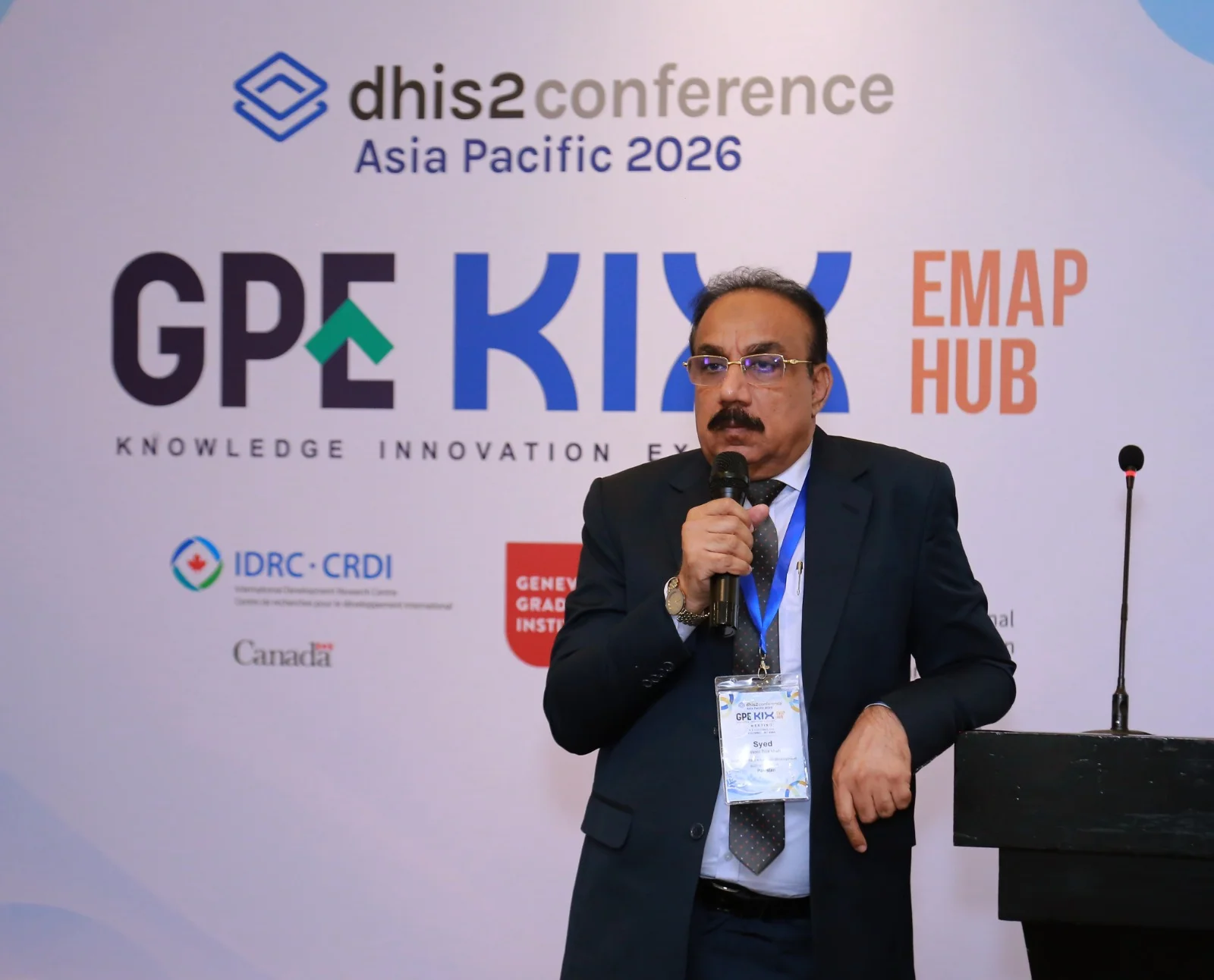
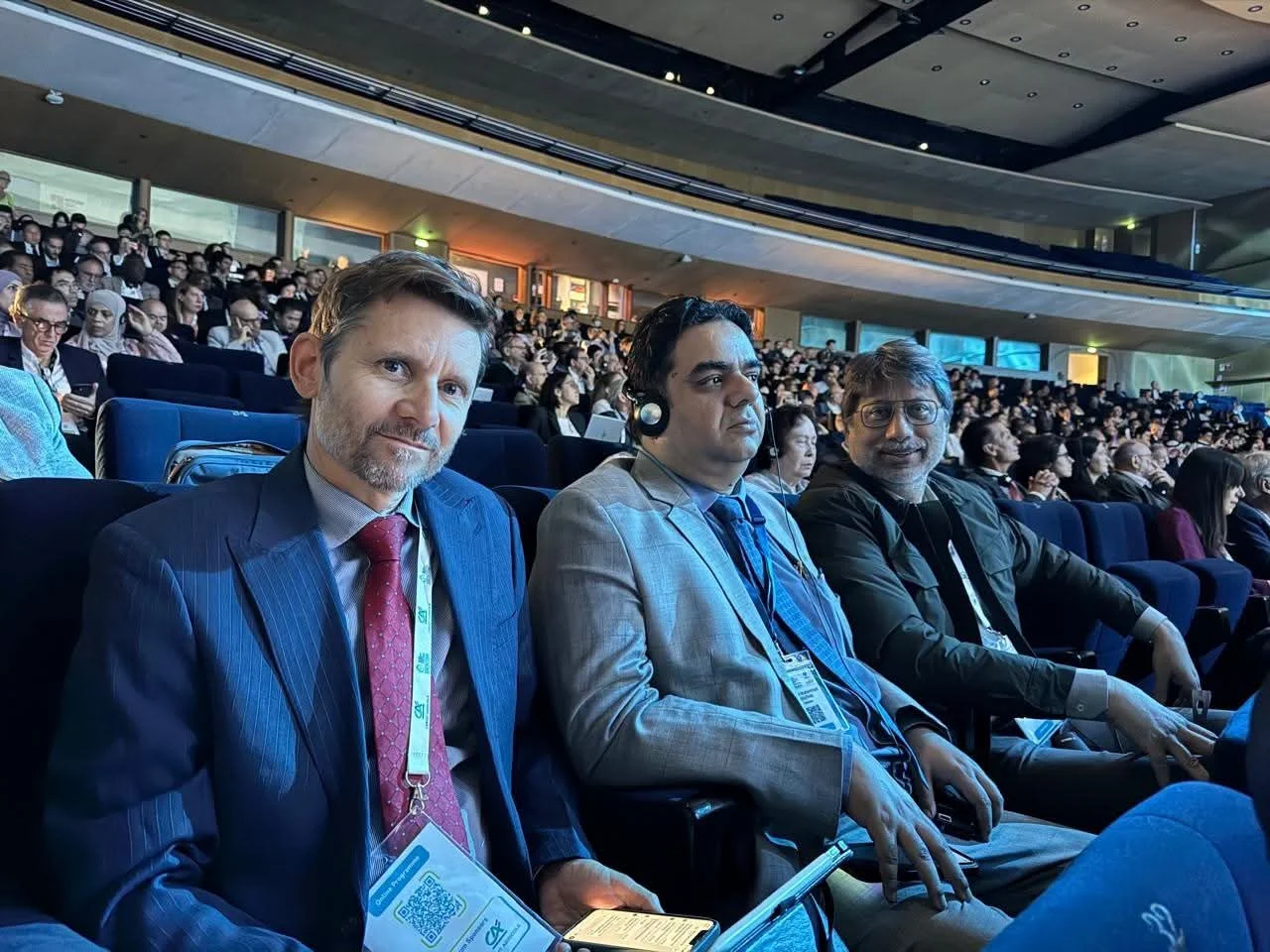
MARSEILLE / AIX-EN-PROVENCE: Various academic and technical sessions were held in the French cities of Marseille and Aix-en-Provence on the occasion of the 26th World Congress of the International Commission on Irrigation and Drainage (ICID), in collaboration with the World Bank Group and Eau, Agriculture et Territoires (EAT). Sindh Irrigation Secretary Zarif Khero participated in the international conference, which was also attended by former World Bank Task Team Leader (TTL) Mr. Francois Onimus.
Experts and policymakers from around the world, specializing in water resources, irrigation, agriculture and climate change, attended the conference. Discussions focused on efficient water management, modern irrigation systems and the sustainable use of water resources.
Speaking on the occasion, Zarif Khero emphasized that the efficient utilization of water resources, modernization of irrigation systems, and timely and equitable water distribution to farmers were essential for sustainable agricultural development. He said modern technologies and effective management systems could help reduce water wastage and improve irrigation services.
He highlighted that improving irrigation systems required not only infrastructure development but also proper maintenance, institutional accountability, transparency and effective performance monitoring. He stressed the need to adopt modern practices and benefit from international experiences to ensure reliable irrigation services for farmers.
The Sindh Irrigation Secretary further noted that digital monitoring, satellite technology and reliable data on water usage could play a significant role in enhancing irrigation system performance and improving the planning and management of water resources.
He added that Sindh’s agricultural economy, food security and the livelihoods of millions of farmers depended on effective water management. Therefore, protecting water resources, ensuring equitable water distribution and promoting sustainable irrigation systems were indispensable for the province’s development.