
Lyari General Hospital Performs Over 100 Successful Robotic Surgeries for Women
By Qurban Ali Khushik
KARACHI: Lyari General Hospital has achieved a significant milestone in women’s healthcare by successfully completing more than 100 robotic-assisted surgeries for the treatment of gynaecological conditions. The achievement marks an important step towards the adoption of advanced medical technology and modern surgical techniques in the public healthcare sector of Sindh.
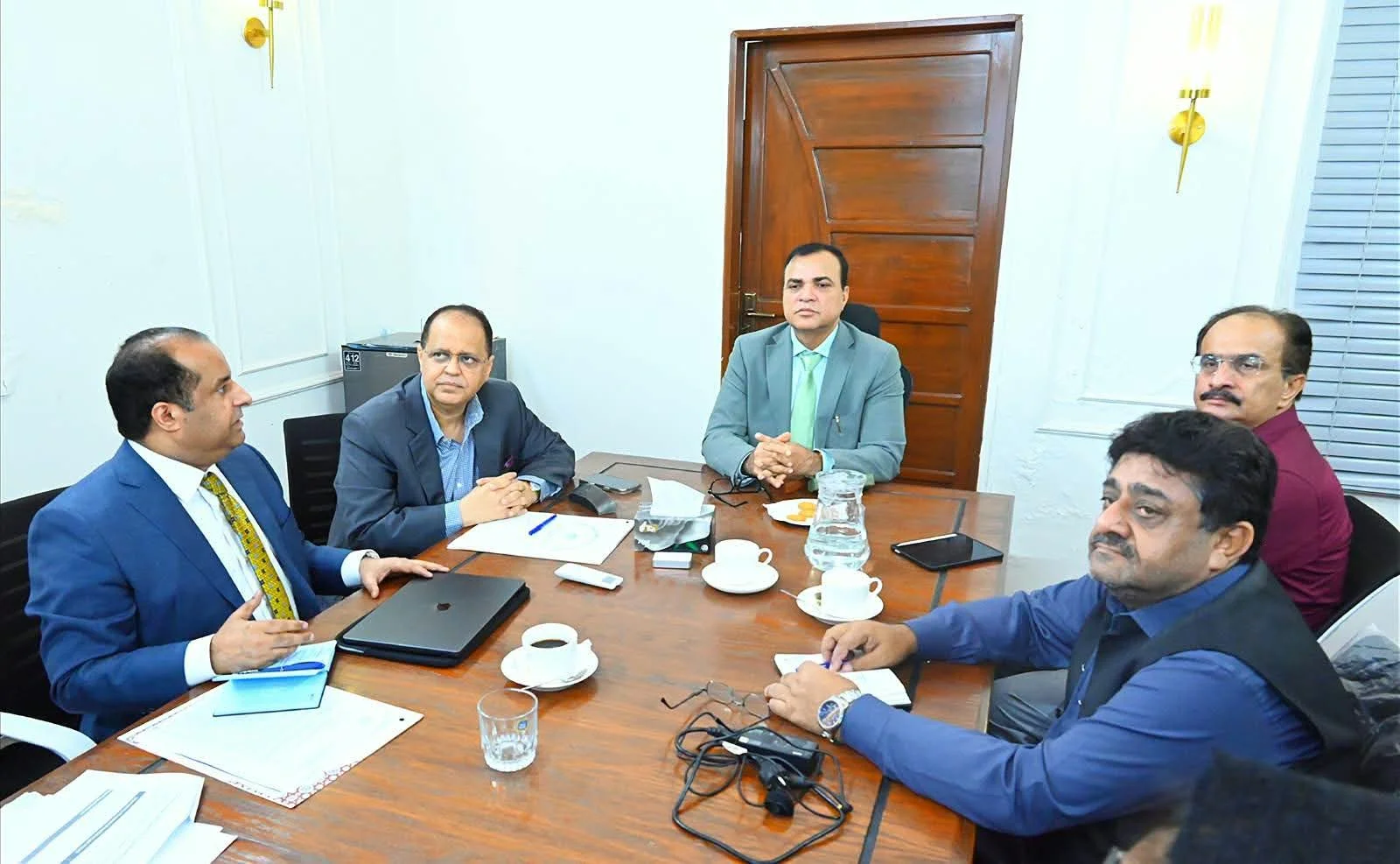
A special ceremony was organised at Lyari General Hospital to celebrate the completion of more than 100 successful robotic gynaecological surgeries. The event brought attention to the hospital’s progress in introducing advanced surgical methods for women suffering from various gynaecological conditions.
Sindh Health Department Secretary Tahir Hussain Sangi attended the ceremony as the chief guest. His participation highlighted the importance of modernising healthcare facilities and improving access to advanced medical treatment for women across the province.
Robotic-assisted surgery is an advanced surgical technique that allows surgeons to perform complex procedures with the assistance of specialised robotic systems. The technology enables surgeons to control instruments with a high degree of precision and provides enhanced visualisation of the surgical area. Depending on the nature of the condition and the procedure involved, robotic surgery may offer benefits such as smaller incisions, reduced blood loss, less postoperative pain and a shorter recovery period compared with certain conventional surgical approaches.
In gynaecology, robotic-assisted procedures can be used to treat a range of conditions affecting the female reproductive system. These may include uterine disorders, fibroids, endometriosis and other conditions requiring surgical intervention. However, the suitability of robotic surgery depends on the patient's medical condition, the complexity of the procedure and the surgeon's clinical assessment.
The completion of more than 100 successful robotic gynaecological operations represents a notable achievement for Lyari General Hospital. It also reflects the growing role of technological advancements in modern medical practice and the potential for public-sector hospitals to expand access to specialised surgical services.
Access to advanced healthcare remains an important concern for many patients, particularly women who require specialised treatment for complex gynaecological conditions. The introduction and development of modern surgical techniques at public hospitals can help strengthen the range of treatment options available to patients.
The milestone also underscores the importance of trained medical professionals, specialised surgical teams and appropriate hospital facilities in delivering advanced treatment. The effective use of robotic systems requires skilled surgeons, trained operating-room staff, proper equipment maintenance and established patient-safety procedures.
The ceremony at Lyari General Hospital provided an opportunity to recognise the achievement of the medical team involved in the robotic surgical programme. The successful completion of these procedures marks progress in the hospital's efforts to provide modern treatment options for women.
Healthcare experts generally emphasise that the benefits of any surgical technique must be assessed according to individual patient needs and clinical outcomes. Robotic-assisted surgery is not necessary for every patient, and doctors determine the most appropriate treatment after evaluating the patient's condition and available options.
With more than 100 successful robotic-assisted gynaecological operations completed