Sindh Government Allocates Rs44.46 Billion in Grants to Public Universities
By Qurban Ali Khushik
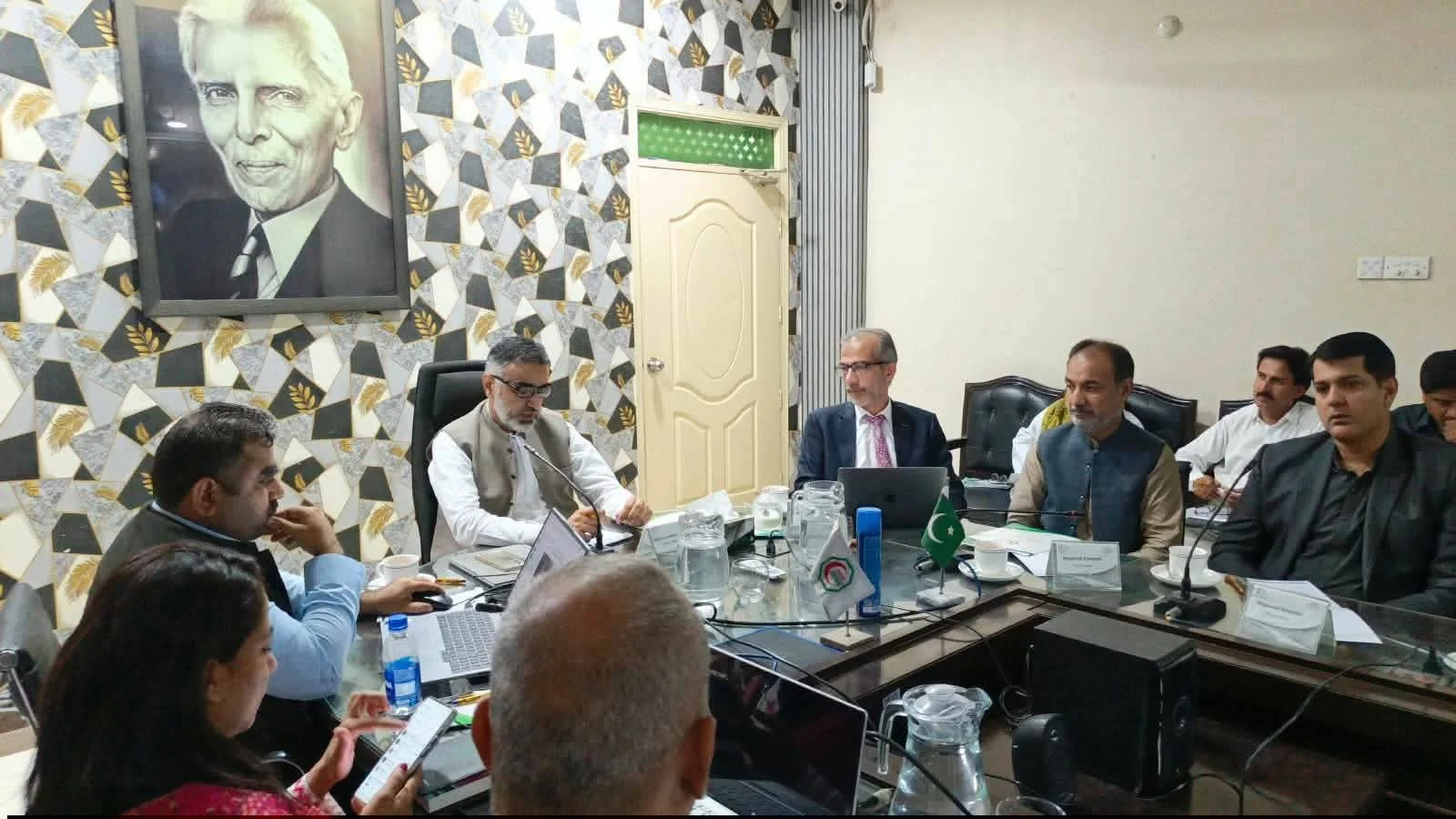
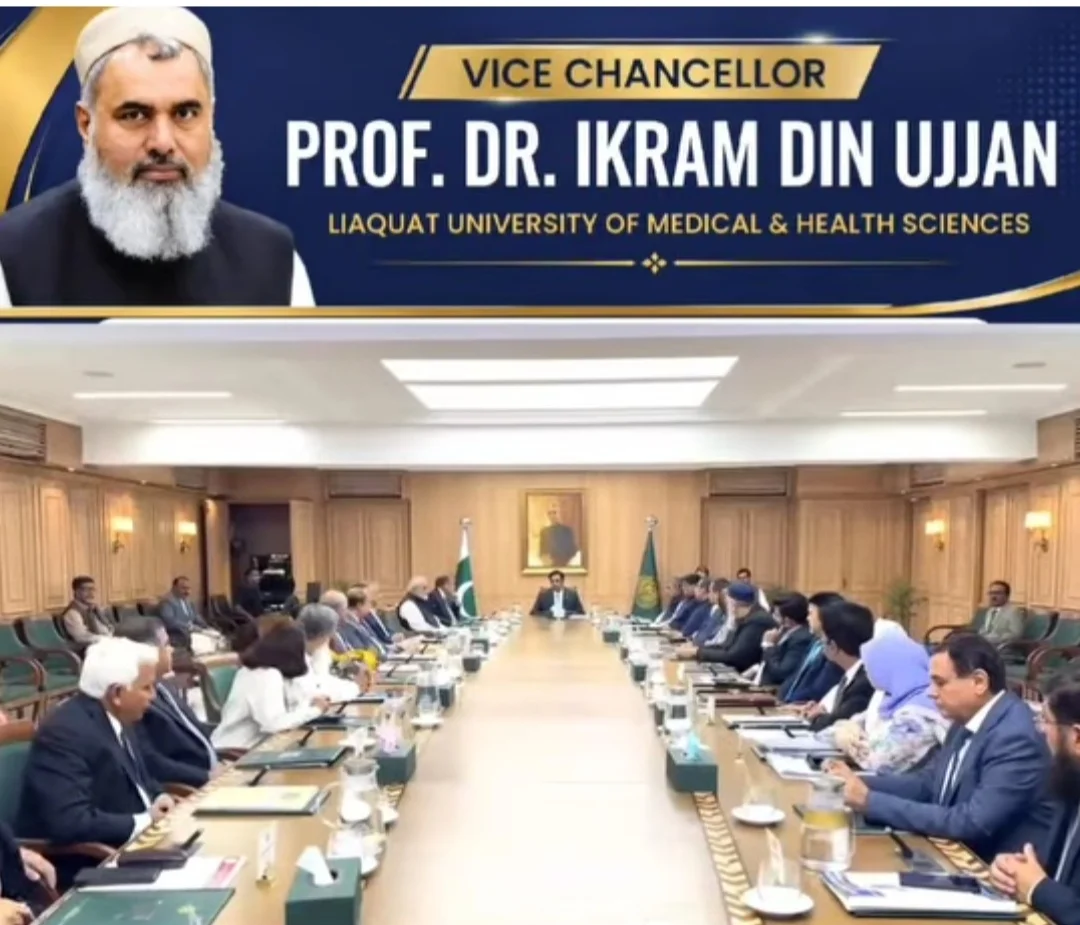
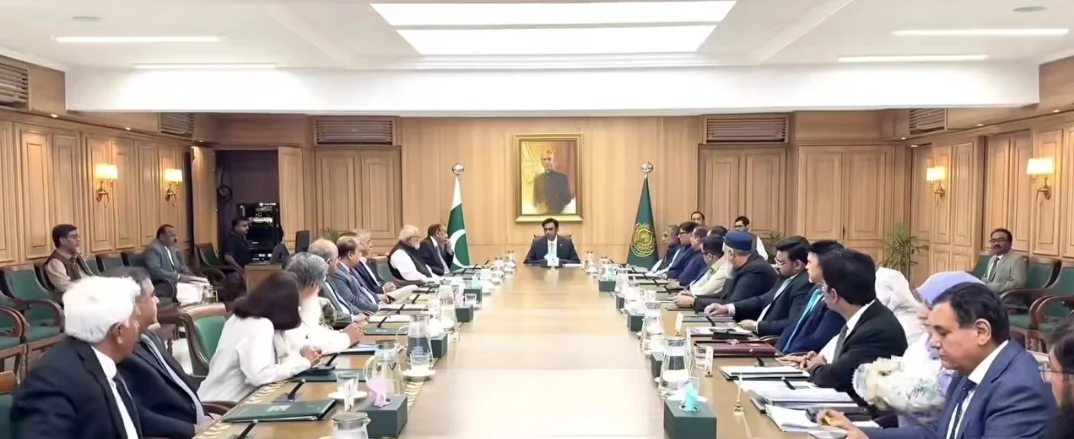
KARACHI: Sindh Chief Secretary Asif Haider Shah has chaired a meeting of vice-chancellors of 32 public sector universities across the province to review their financial, administrative and academic challenges and discuss measures to address them.
The meeting was attended by the chairman of the Sindh Higher Education Commission (SHEC) and the secretary of Universities and Boards, along with vice-chancellors representing the province’s public universities.
During the meeting, vice-chancellors briefed the chief secretary on the challenges facing their institutions, highlighting financial constraints, pension liabilities, rising electricity bills, difficulties in retaining qualified faculty and delays in obtaining approvals from the Pakistan Nursing Council and the Pakistan Medical and Dental Council (PMDC).
Chief Secretary Asif Haider Shah said the Sindh government was fully aware of the challenges faced by public universities and was committed to addressing them in consultation with university leadership. He stated that the provincial government was providing grants amounting to Rs44.46 billion to universities across Sindh.
He noted that pension liabilities remained a major financial burden for universities and called for discouraging unnecessary non-faculty recruitment. He also said that recommendations concerning university syndicates would be presented to the provincial cabinet, adding that education professionals would be included in university syndicates to strengthen academic governance.
The chief secretary emphasized the need to involve alumni more effectively in university development and urged institutions to submit research proposals to the government. He stressed that university research should be accredited and linked with industry to improve its practical value and contribute to economic development.
He further directed universities to undertake comprehensive research and feasibility studies before establishing new campuses, calling for a clear policy and defined benchmarks for future expansion. He also announced that a proposal to increase the retirement age of professors from 60 to 65 years would be submitted to the provincial cabinet.
Discussing energy costs, Shah said a solarisation plan would be introduced to reduce universities’ electricity expenses. He also urged institutions to eliminate illegal electricity connections and strengthen financial and administrative management through digitalisation.
According to press release issued by Farhat Imtiaz
Spokesperson for the Chief Secretary Sindh that the vice-chancellors highlighted the growing competition from private universities, which they said were offering higher salaries to attract experienced faculty from public institutions. They also pointed to the challenges of retaining highly qualified academics, noting that some faculty members who travelled abroad were reluctant to return.
Other issues discussed included campus security, measures to prevent drug use, requests for unrelated information under right-to-information provisions and the need for assistance from the Ministry of Foreign Affairs to attract international students to Pakistani universities.
The meeting also emphasized promoting public-private partnerships in university development projects, strengthening international collaborations and ensuring that new campuses were established only after careful assessment of their feasibility and long-term needs.
The chairman of the Sindh Higher Education Commission observed that Sindh provided comparatively higher grants-in-aid to universities than other provinces.
The commission also outlined its support for postgraduate education and academic development. It said Rs60 million was being provided for MPhil and PhD programmes, while Rs50 million would be allocated during the current year for international conferences at universities across the province.
Additionally, strategic leadership programmes for pro-vice-chancellors and deans, as well as professional development programmes for registrars and faculty members, had been launched.
The meeting agreed that universities should give greater attention to skills development and strengthen links between academic research and industry. It also stressed the importance of international engagement and more effective use of research to support industrial and economic growth.
Shah said the provincial government would continue consultations with vice-chancellors to resolve university-related issues. He added that matters falling within the federal government's jurisdiction would be taken up with the relevant federal authorities.